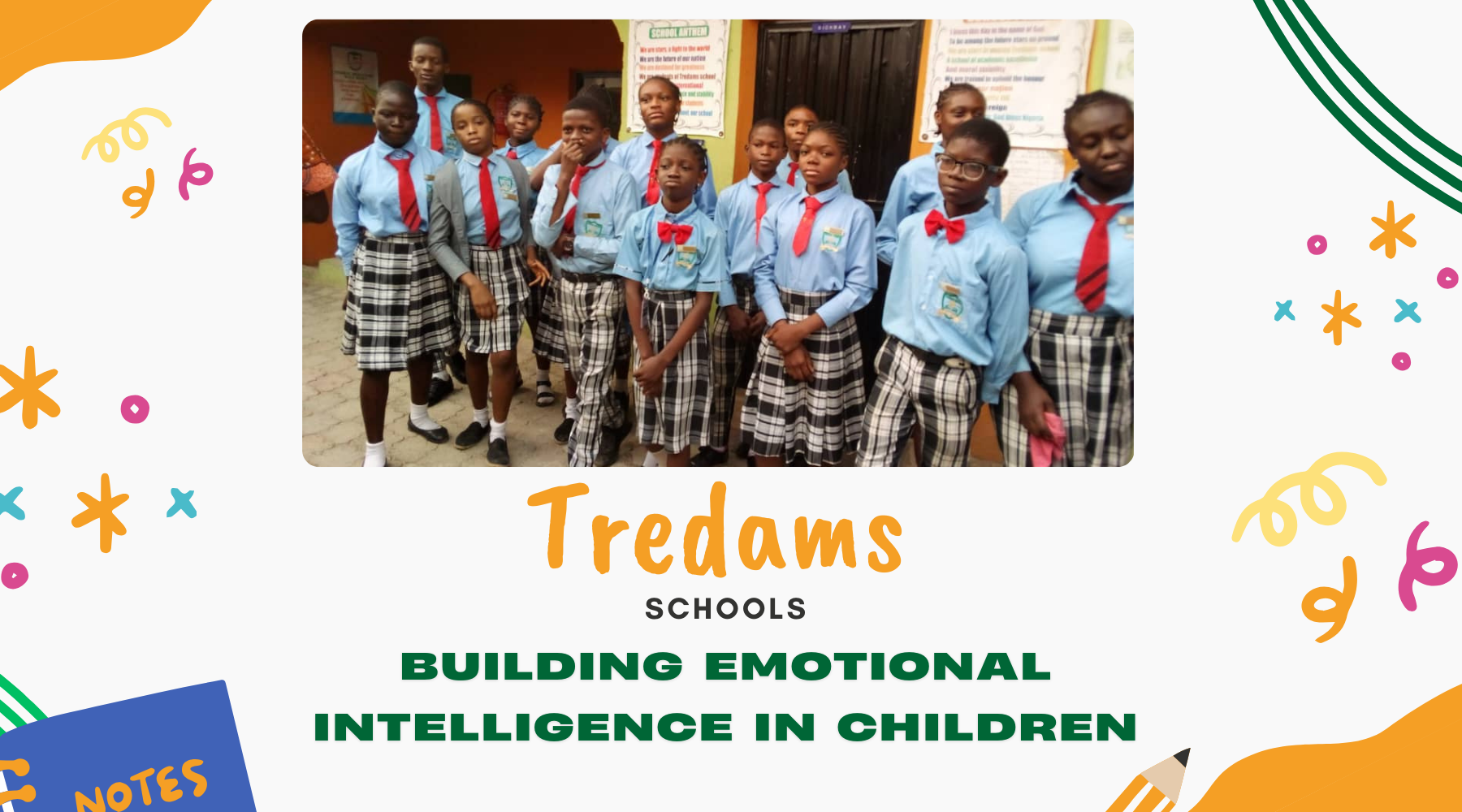

Building Emotional Intelligence in Children
In today’s world, where social and emotional skills are just as important as academic achievement, the concept of emotional intelligence (EQ) has gained significant attention. Emotional intelligence—the ability to recognize, understand, manage, and express emotions—plays a vital role in a child’s overall development. At Tredams Schools, we are committed to fostering emotional intelligence in our students, knowing that it is a key predictor of success in both personal and professional life.
Here’s why emotional intelligence is important and how parents and educators can help children develop these crucial skills.
Why is Emotional Intelligence Important?
Emotional intelligence is foundational for effective communication, empathy, resilience, self-regulation, and social interaction. Children with high EQ tend to have better relationships, improved mental health, and greater success in school and life. Developing emotional intelligence from an early age helps children:
– Navigate social complexities and build meaningful relationships.
– Manage stress, anxiety, and frustration more effectively.
– Develop empathy and compassion, fostering a sense of community.
– Enhance academic performance by maintaining focus and self-control.
– Build resilience to cope with setbacks and challenges constructively.
Key Components of Emotional Intelligence
Emotional intelligence is composed of several key components:
1. Self-Awareness: The ability to recognize one’s own emotions and understand how they affect thoughts and behavior.
2. Self-Regulation: The ability to manage and control one’s emotions, especially in stressful situations.
3. Motivation: The drive to achieve goals, characterized by passion, persistence, and resilience.
4. Empathy: The ability to understand and share the feelings of others, fostering better interpersonal relationships.
5. Social Skills: The ability to communicate effectively, work well in teams, and build strong relationships.
How to Build Emotional Intelligence in Children
Here are some practical strategies for parents and educators to help children develop emotional intelligence:
1. Encourage Emotional Awareness and Expression
Teach children to identify and name their emotions. Use tools like emotion charts, storybooks, or daily check-ins to help them express how they feel. Encourage them to talk about their emotions openly and reassure them that all feelings are valid. The more children understand their emotions, the better equipped they will be to manage them.
2. Model Emotionally Intelligent Behavior
Children learn by observing the adults around them. Be a role model by managing your emotions calmly, expressing empathy, and using positive communication. When you handle stressful situations with patience and understanding, children learn to do the same.
3. Teach Empathy and Perspective-Taking
Help children understand other people’s feelings by discussing various perspectives in different scenarios. Use stories, role-playing, and real-life examples to encourage them to put themselves in others’ shoes. Empathy is a cornerstone of emotional intelligence, helping children build stronger, more positive relationships.
4. Develop Problem-Solving Skills
Encourage children to think through solutions to conflicts or challenges. Instead of solving problems for them, guide them to analyze situations, consider different options, and choose the best course of action. This not only builds problem-solving skills but also teaches them to manage their emotions constructively.
5. Foster a Positive and Supportive Environment
Create an environment where children feel safe to express themselves without fear of judgment or punishment. Use positive reinforcement to acknowledge and reward emotionally intelligent behaviors, such as sharing, cooperation, and showing kindness to others.
6. Teach Mindfulness and Relaxation Techniques
Mindfulness activities such as deep breathing, meditation, or yoga can help children stay calm and centered. These techniques teach self-regulation, helping them manage stress and negative emotions effectively. At Tredams Schools, we integrate mindfulness practices into our daily routines to promote a peaceful and focused learning environment.
7. Encourage Healthy Communication
Teach children to communicate their feelings and needs effectively without resorting to aggression or withdrawal. Use “I” statements, such as “I feel…” or “I need…” to express emotions constructively. Encourage active listening skills, allowing them to understand and respond to others thoughtfully.
8. Support Social Interaction and Teamwork
Provide opportunities for children to interact with peers through group activities, sports, clubs, and projects. These experiences teach them how to navigate social dynamics, collaborate, resolve conflicts, and develop strong social bonds.
9. Promote Resilience Through Positive Coping Strategies
Help children develop resilience by encouraging a growth mindset. Teach them that challenges and mistakes are opportunities for learning and growth. When faced with setbacks, guide them to reflect on what they learned and how they can improve, rather than dwelling on failures.
10. Regularly Reflect on Emotional Growth
Encourage children to reflect on their emotional experiences regularly. Ask them what emotions they felt during the day, what triggered those emotions, and how they responded. This reflection helps them build self-awareness and emotional maturity over time.
Emotional Intelligence at Tredams Schools
At Tredams Schools, we believe that nurturing emotional intelligence is just as important as academic education. Our curriculum incorporates social-emotional learning (SEL) programs that help students understand and manage their emotions, set and achieve positive goals, feel empathy for others, and establish healthy relationships.
Through activities like group discussions, role-playing, storytelling, and mindfulness exercises, we aim to build a strong emotional foundation in our students. Our trained educators work closely with students to develop these critical skills, ensuring that they grow into compassionate, resilient, and emotionally intelligent individuals.
Conclusion
Building emotional intelligence in children is a collaborative effort between parents, educators, and the community. By prioritizing emotional intelligence, we equip our children with the skills they need to navigate life’s challenges, build meaningful relationships, and achieve personal and professional success.
At Tredams Schools, we are dedicated to fostering emotional growth and well-being, knowing that emotionally intelligent children today will become the compassionate, effective leaders of tomorrow.